Adaptogen is a marketing word as much as a scientific one. It describes herbs and mushrooms people take to help the body handle stress, and the honest version is that some have decent research behind them and some do not.
What the word means
An adaptogen is claimed to help the body resist stress in a non-specific way, normalising rather than stimulating or sedating. That is a high bar, and few plants clear it completely.
What matters practically is that adaptogens are not stimulants. You take them for weeks, and the effect is a trend rather than a moment.
The mushrooms worth knowing
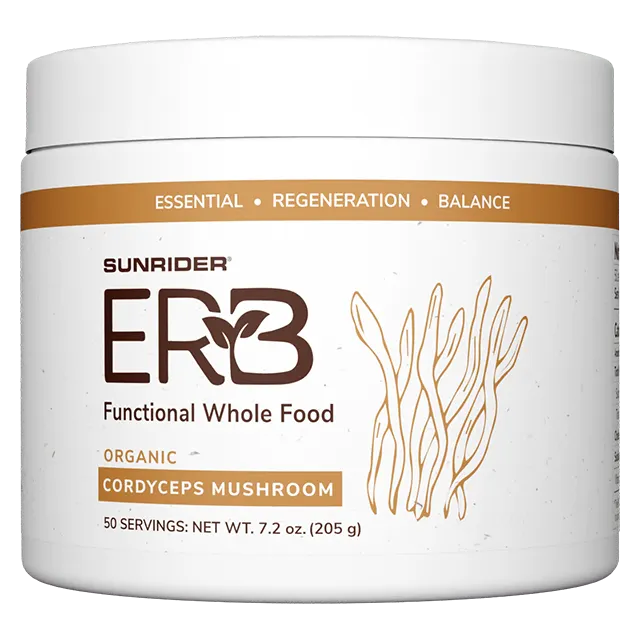
Cordyceps is studied for stamina and oxygen use during exertion. Reishi and lion's mane are studied for immune support and cognitive function. Rhodiola and ginseng are the classic energy adaptogens, used for fatigue and mental performance.
Mushroom powders are usually taken as a food rather than a standardised extract. That means a milder effect and a much lower chance of overdoing it.
How to take them
Take them in the morning, in something you already drink. Coffee, cocoa, and smoothies all hide the earthy flavour well.
Give any adaptogen four to six weeks. More is not better, and stacking five at once tells you nothing about which one is working.
Common questions
Asked and answered
Do adaptogens work immediately?
No. They are taken over weeks, not for a lift in the moment. If you want an immediate effect, that is caffeine doing the work.
Can I take adaptogens with coffee?
Yes, that is how most people take them. If caffeine makes you jittery, pair them with decaf or a morning shake instead.
Who should check with a doctor first?
Anyone taking blood thinners or immune-suppressing medication, and anyone with an autoimmune condition.